Cover story Feature
Nier and Nietzsche: Conveying Nihilism Through Mechanics
Very rarely does a game fold back in on itself to hold a mirror up to the player the way Nier:Automata does. God is dead but it was not murder.
Game reviews, deeper readings, and the technology behind play.
Cover story Feature
Very rarely does a game fold back in on itself to hold a mirror up to the player the way Nier:Automata does. God is dead but it was not murder.
[02] Curated from the archive

Review
IO Interactive rebuilt Agent 47 around six enormous sandboxes. The Definitive Edition puts all of them, and almost everything added since, into one package.

Feature
A look at what Atlus and Persona 5 can teach about adding more style and flair to video games.
Tech Talks
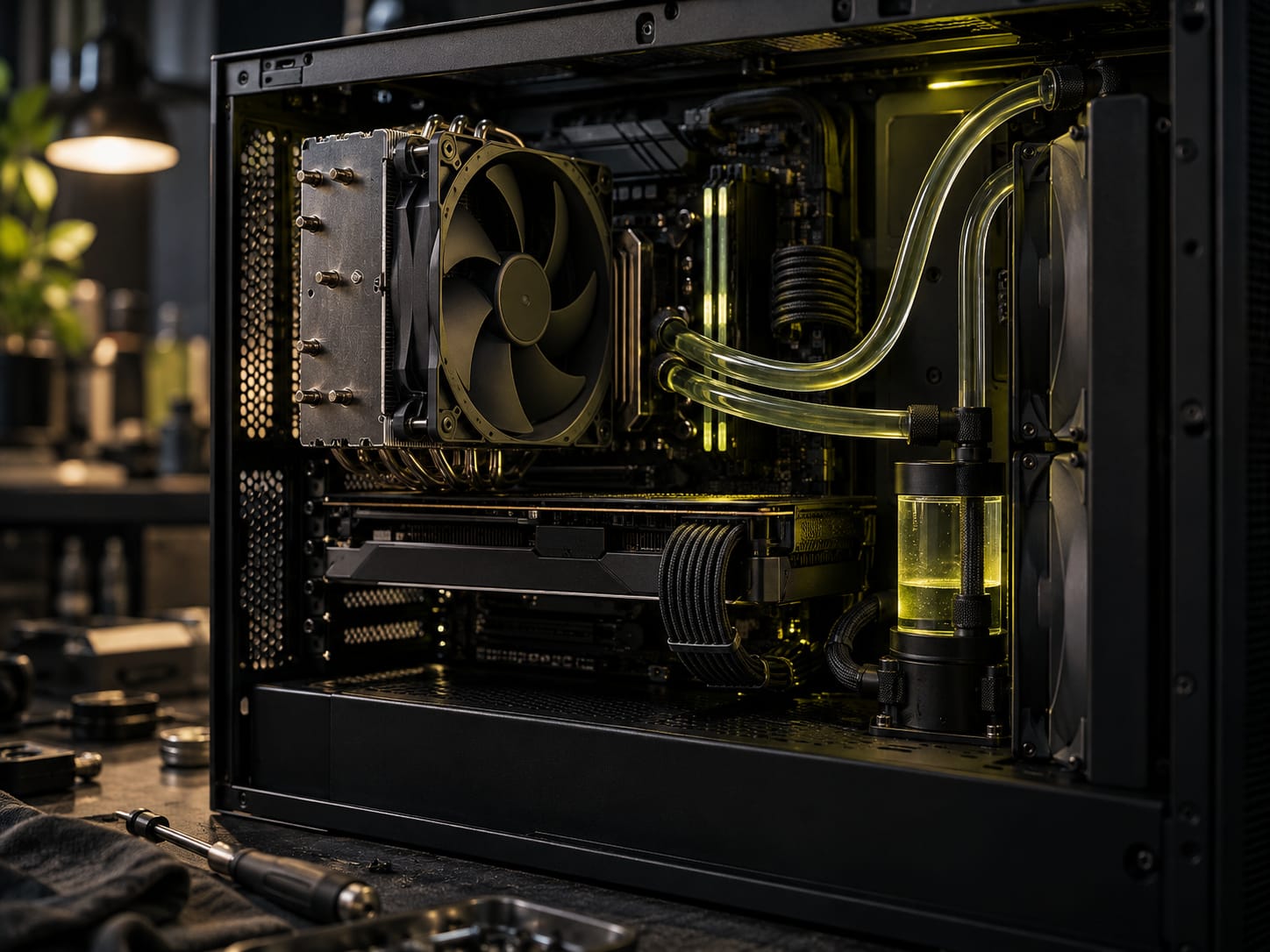
“Which is better, Air or Liquid Cooling?” The answer depends on a lot of variables and on the use case.

Review
Santa Monica Studio kept Kratos's past and rebuilt everything else: story, camera, combat, controls and structure.
Feature
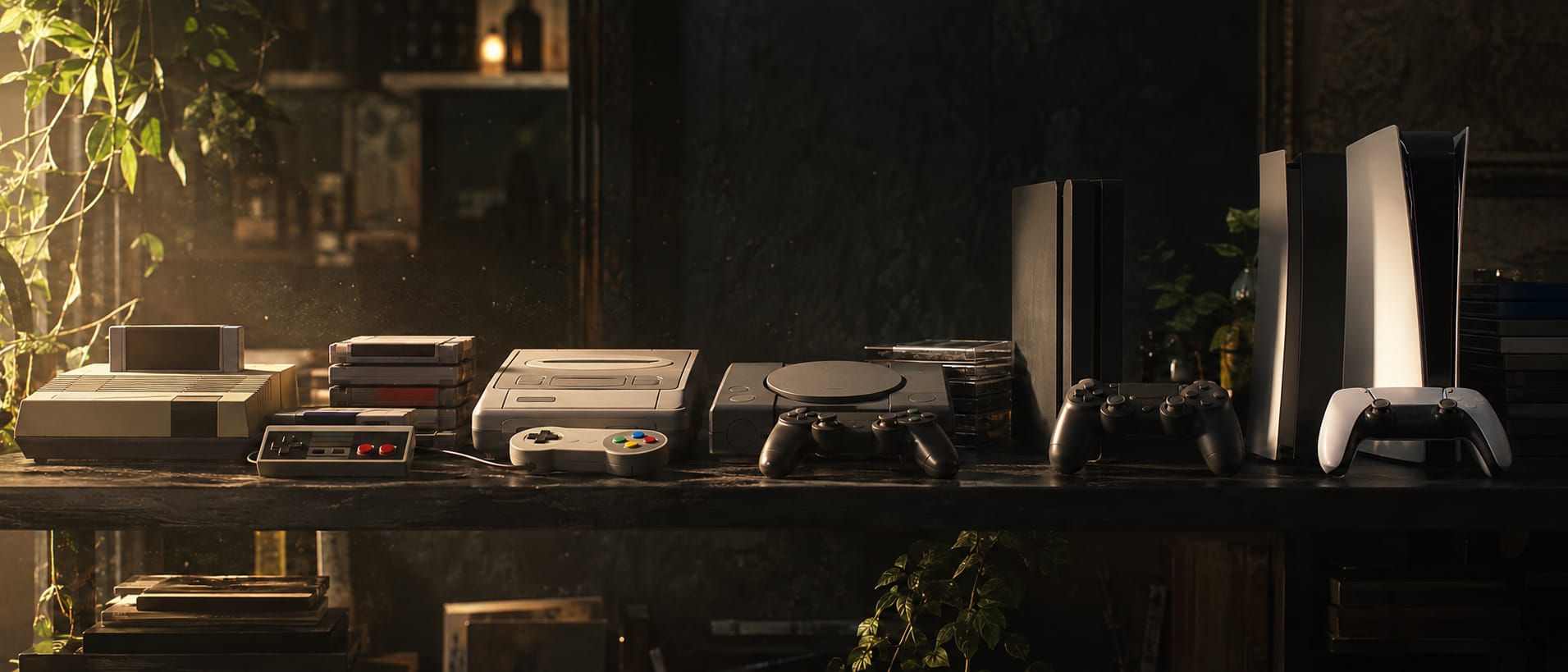
How backwards compatibility, or the lack of it, has shaped consoles over the years.
[03] Features
The ideas that stay with you after the screen goes dark.

What does Bloodborne take from the gothic, beyond Lovecraft?
Bloodborne's debt to H.P. Lovecraft is well documented. Its debt to the gothic, and to the female gothic in particular, runs deeper.
Why has the dystopia cornered so much of the market?
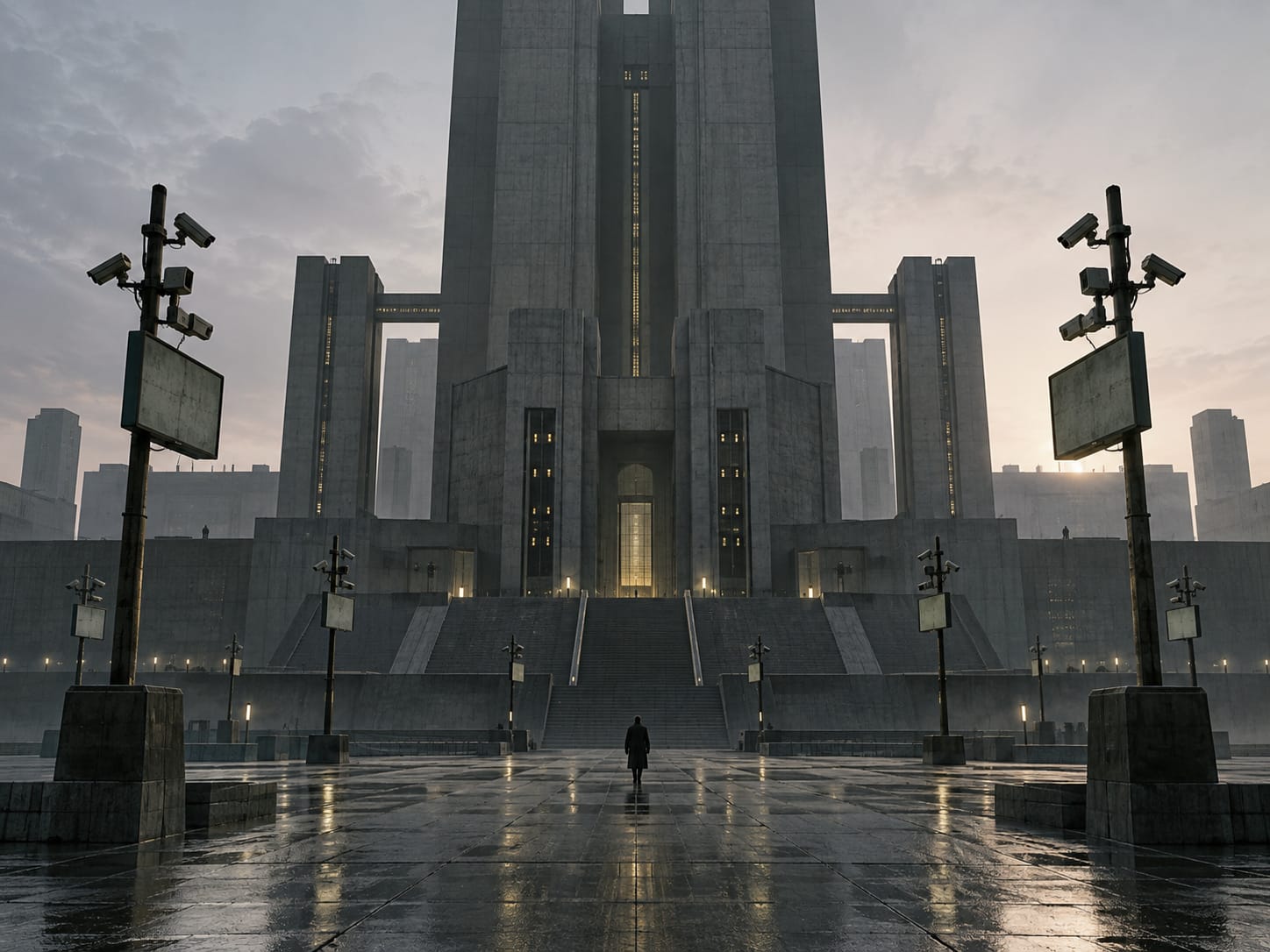
Games have never been more varied, yet a striking share of them are set in worlds that went wrong.

What is a record worth without a witness?
When Twin Galaxies erased Todd Rogers, attention turned to the most famous name on the classic arcade scoreboard, and to how a record becomes history.

How do you continue a story that already ended well?
Horizon Zero Dawn tells a whole story in one game. That is its strength, and the reason a straight sequel is the riskiest way to continue it.
[04] Tech Talks · The Hardware Lab
One case, six fans, two ways to balance the air.
Conceptual illustration
The intakes move more air into the case than the exhausts move out. The surplus has to leave somewhere, so it escapes through panel seams, slot covers and unfiltered vents. Those gaps breathe out, and dust is caught at the filtered intakes instead of settling inside.
The exhausts move more air out than the intakes bring in. The case makes up the difference through every opening, filtered or not, so seams and slot covers draw air inward and dust comes with it. Slight negative pressure can suit a dust-free room; with no intake at all, dead zones and hot spots form.
Pressure comes from the balance of airflow volume against the case’s openings, not from the number of fans. Both diagrams use the same six fans. Incense smoke held near the seams shows which way a case breathes.
Read the Tech TalkBuilding a PC: Positive vs Negative Air Pressure[05] From the archive
Pieces first published between 2017 and 2018, shown with their original dates.
[06] Where to start
The reviews are grouped by the platform each game was played on, from Nintendo Switch to PC, with a few pieces on hardware and services. Each one closes on who the game suits, so the verdict is the quickest way to tell whether it is worth an evening.
The features are arranged in three reading paths: games as philosophy, the history of arcades, consoles and collecting, and getting better at competitive games. Each path runs in a set order, and each piece stands on its own as well.
Start with positive and negative air pressure, which explains how air moves through a case, then read the comparison of air and liquid cooling, which builds on it. Together they cover most of what decides how hot and how loud a gaming PC runs.
[07] Questions
What the site covers, how reviews are built and why the dates are what they are.
Four sections: Reviews of games and gaming hardware, Features that look at what games mean and where they came from, Tech Talks on building a PC, and News on releases, events and the games industry.
Every piece keeps the date it was first published. Prices, platforms, release windows and hardware specs are given as they stood on that date, so a launch price or a pre-order bonus reflects the market at the time.
Each review opens with a spec line: release date, the platform it was played on, other platforms, developer, publisher and launch price. The game is then taken apart section by section, and the review closes with a verdict rather than a numeric score.
HITMAN: Definitive EditionFarming Simulator 19Moonlighter: Between DimensionsAll reviews
Practical guides to building a gaming PC. They cover air versus liquid cooling and how positive and negative air pressure inside a case affects temperatures and dust.
Many of them do: the forgotten characters of the early arcades, the history of backwards compatibility, what makes a game "classic" or "retro", and vintage collecting. Others read newer games closely, from Persona 5 and Nier to Bloodborne.