Feature
Don't Be Afraid of Old Fighting Games
Street Fighter III: Third Strike looks impossible to start in 2018: its veterans have an eighteen-year head start. The same internet that made them good is the way in.
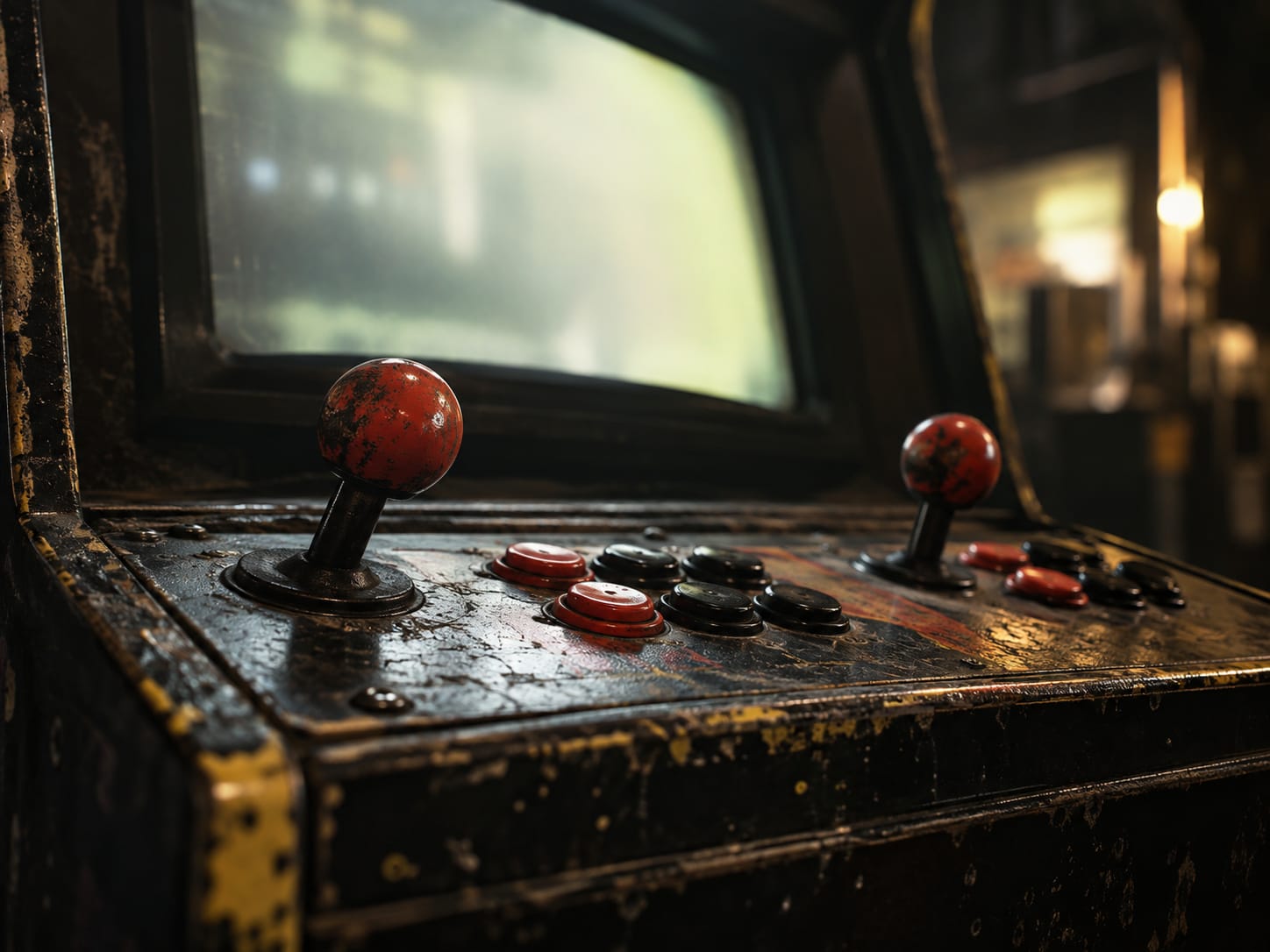
Old fighting games intimidate people, and Street Fighter III: Third Strike, usually shortened to 3S, is the classic example. “Old” is not an insult here. It is the plain fact that a new player meets opponents with an eighteen-year head start.
The EVO Moment #37 problem
Most people come to Third Strike through EVO Moment #37, Daigo Umehara parrying every hit of Justin Wong’s super and winning the round. A newcomer reacts in one of two ways: completely inspired, or unimpressed because nothing on screen makes sense yet. The inspired group then discovers how hard the game really is.
There is no reason to give up, though, especially since the Third Strike revival of 2011. The main obstacle is the player’s own hesitation.
The tech is already written down
Most of Third Strike’s techniques have been documented since the early web. Frame data, character guides and combo notes are easy to find, so a new player can start absorbing the game’s meta almost immediately.
Mentors help most. Playing regularly against an experienced 3S player speeds up learning more than anything else, and a willing veteran will explain why a move works, not just that it does. Not everyone has one nearby, but players of that calibre are easy to find online. Taking an online mentor is normal. Two friends learning a game together have everything they need in the public material.
When something cannot be found, test it. It takes longer, depending on experience with fighting games in general, but working things out alone is often the best training. Players with background in the genre can carry general knowledge across and connect the dots for each new game.
Slower to feel rewarding
Older fighting games usually take longer to feel worth the effort, and that suits some players better than others. Street Fighter V and Injustice 2 make players feel skilled quickly: their cinematic supers look spectacular and give an immediate sense of having done something cool. Landing a full parry into a super in Third Strike takes far more timing and skill, and the reward is much harder to describe.
The same applies to new games
New games create their own fear. How do you start Street Fighter V when it has the biggest player base in the world and everyone seems better? That crowd is the advantage. Players at every level are available to learn from, and questions can be asked on Facebook, Twitter, Discord and forums.
Any modern fighting game can be learned the way an old one is. Mechanics and learning curves differ, but all of them are manageable. Choose who and what to learn from. Text and video tutorials exist, new match videos are uploaded daily, and online friends can help with matchups and characters.
A practical starting point
For Third Strike specifically, Street Fighter III: 3rd Strike Online Edition on PlayStation 3 and Xbox 360 is the easiest way in. It adds rollback netcode for online matches and a set of trials that teach parrying and the moves each character relies on, which covers much of what a newcomer would otherwise have to find in old forum threads.
Playing it “wrong” is part of it
The fear of learning a game wrongly is reasonable, and it happens. Many players say Street Fighter IV was meant to be played aggressively, despite the defensive style that dominated after release. Third Strike went through the same thing. North American players got a proper lesson in how 3S could be played when Japanese players came over for the B5 exhibition more than fifteen years ago and showed techniques and styles nobody in the region had seen.
Metas always move, and different countries develop their own. Today it does not take an international exhibition to learn the “right” way. It takes a search, and a player can follow the scene as it evolves worldwide.
The game is old. The scene around it is still moving, and new players can join it.