ScholarlyGamers

[F] Features · 19 articles

Video game Features

Features are the long reads: essays that take a game seriously as a text, a design or a piece of history. Nietzsche and NieR, the gothic in Bloodborne, what makes a game "retro", the records and rules of the arcade era.

Each one starts from a single question and follows it through the games themselves rather than through press releases.

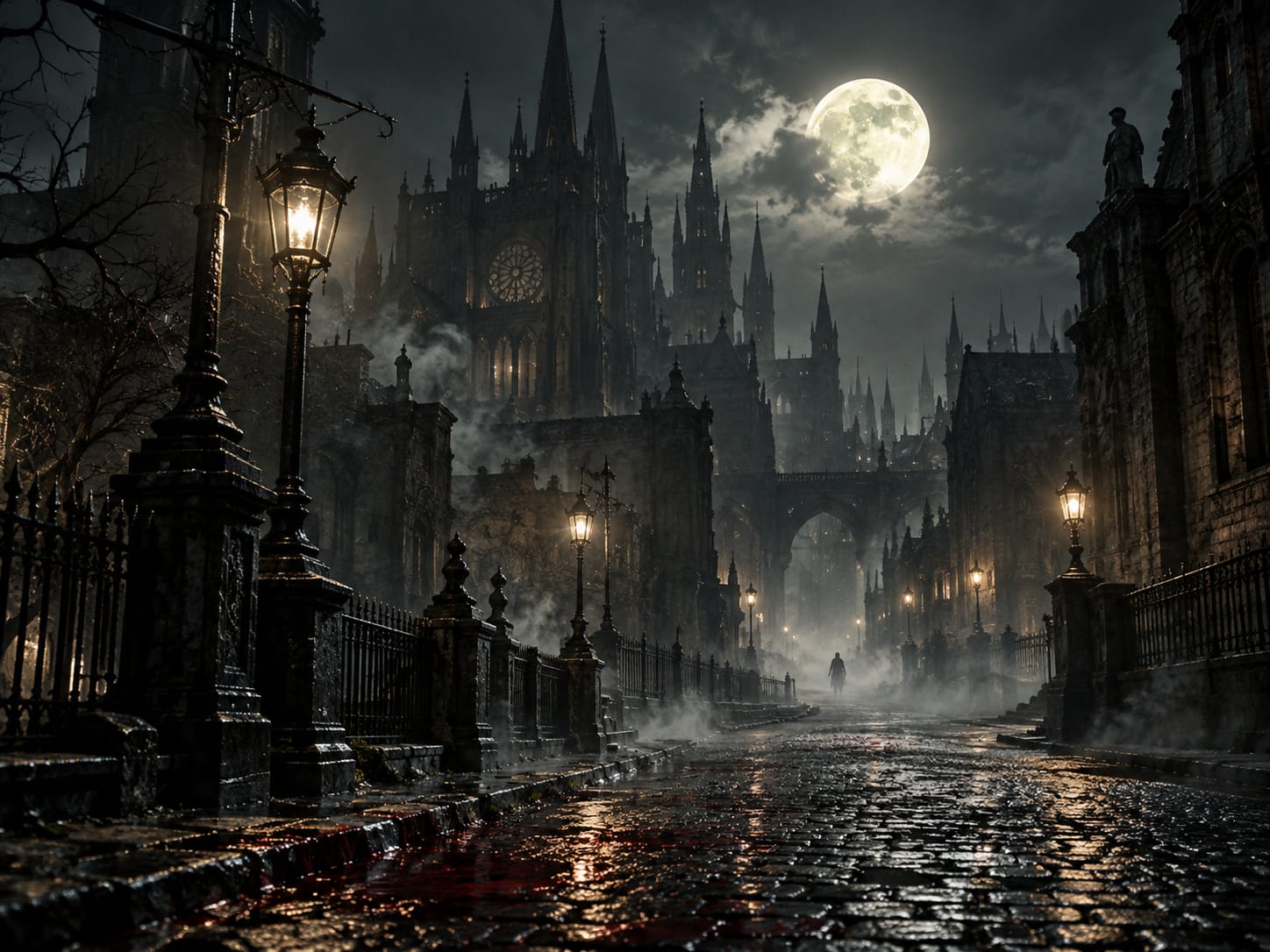
Gothic spires under a pale moon above narrow lamplit streets (AI-generated image)AI

[01] Latest ·

Bless Us With Blood: Bloodborne and the Horror of Childbirth

Bloodborne's debt to H.P. Lovecraft is well documented. Its debt to the gothic, and to the female gothic in particular, runs deeper and says more about what the game is really afraid of.

[F] Reading paths

Where to start

Three routes through the features, each read in order.

Path 01

Games as philosophy

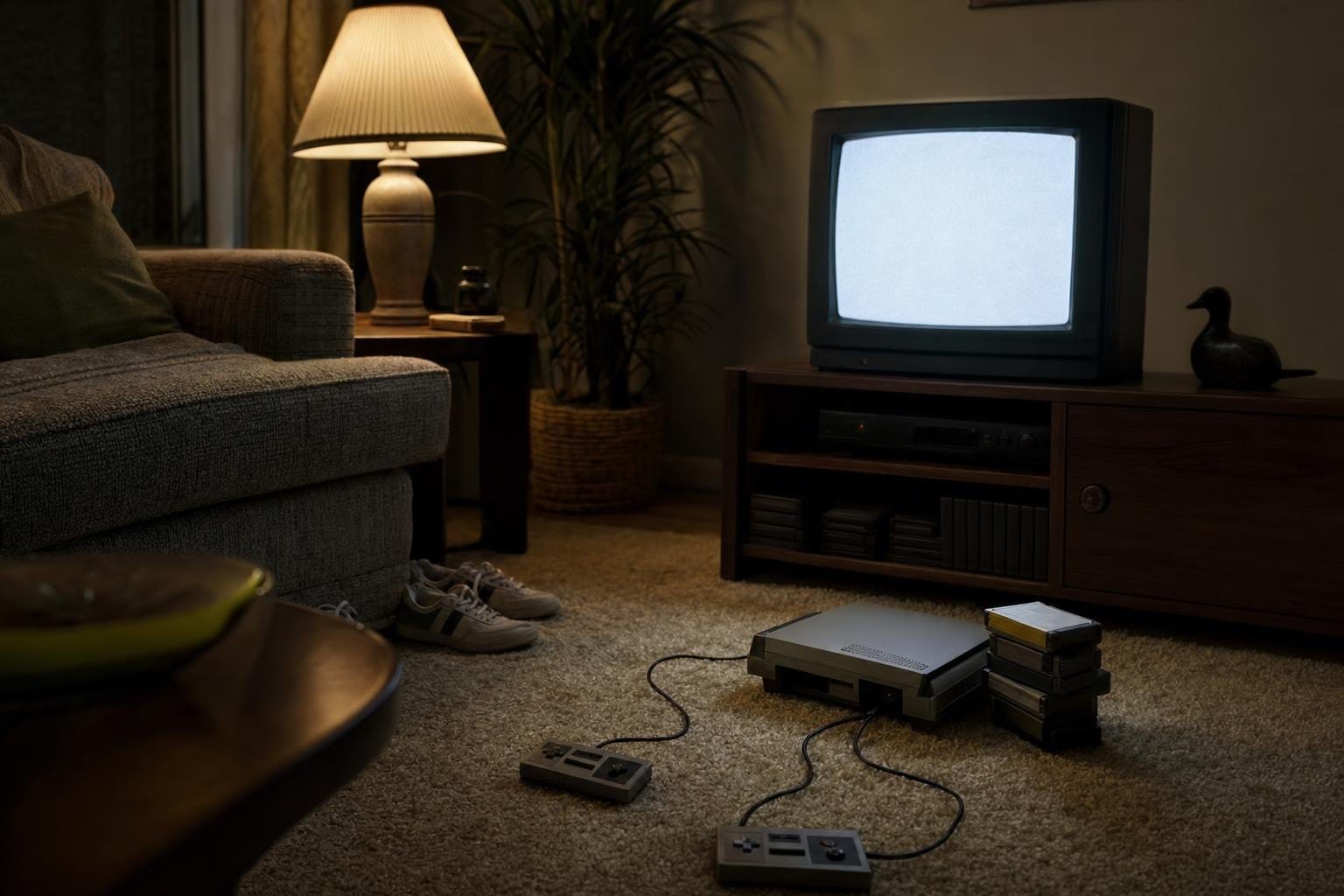
Four essays that read games the way a literature class reads novels. Start with NieR, where the argument is built into the save system, then widen out to why so many worlds end in ruin, what Bloodborne borrows from the gothic, and how style itself can carry meaning.

  1. 1
  2. 2
  3. 3
  4. 4

Path 02

Arcades, consoles and collecting

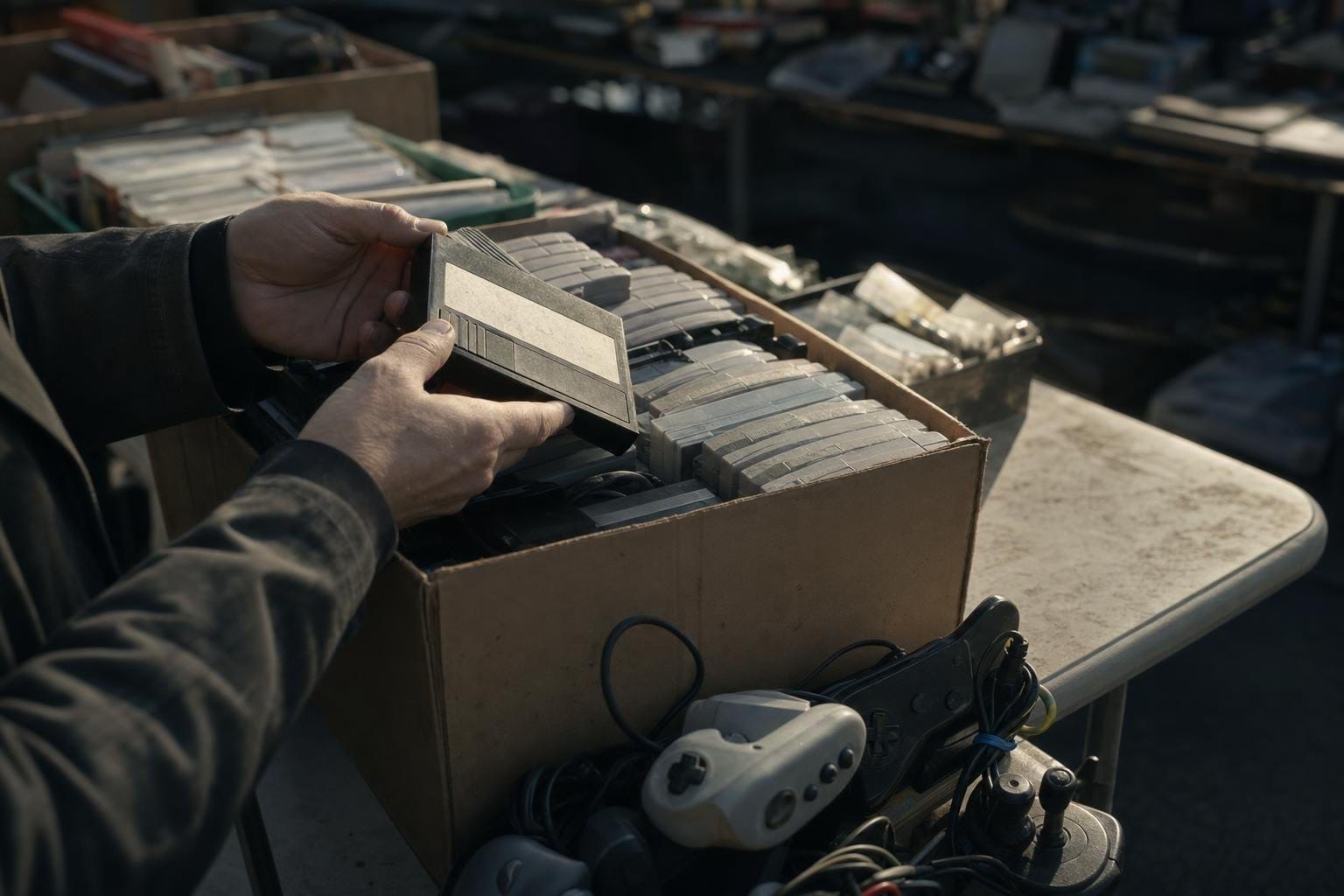
A short history of play, told through what survived and what did not. The forgotten mascots of the early arcades come first, then the long fight to make old games run on new machines, the argument over what counts as retro, and what hunting for cartridges is really like.

  1. 1
  2. 2
  3. 3
  4. 4

Path 03

Getting better at competitive games

For players who want to improve rather than just watch. Habits come before move lists, so the path starts there, then shows why an old fighting game is a good classroom, how one defensive mechanic reshaped a genre, and how a map can set the pace of every match.

  1. 1
  2. 2
  3. 3
  4. 4

The index

  1. [02]

    Nier and Nietzsche: Conveying Nihilism Through Mechanics

    NieR: Automata names its machines after Sartre, Kierkegaard and de Beauvoir and leaves Nietzsche out. His ideas are everywhere in it anyway, most of all in what the game asks the player to give up.

  2. [03]

    Building Good Habits in Fighting Games

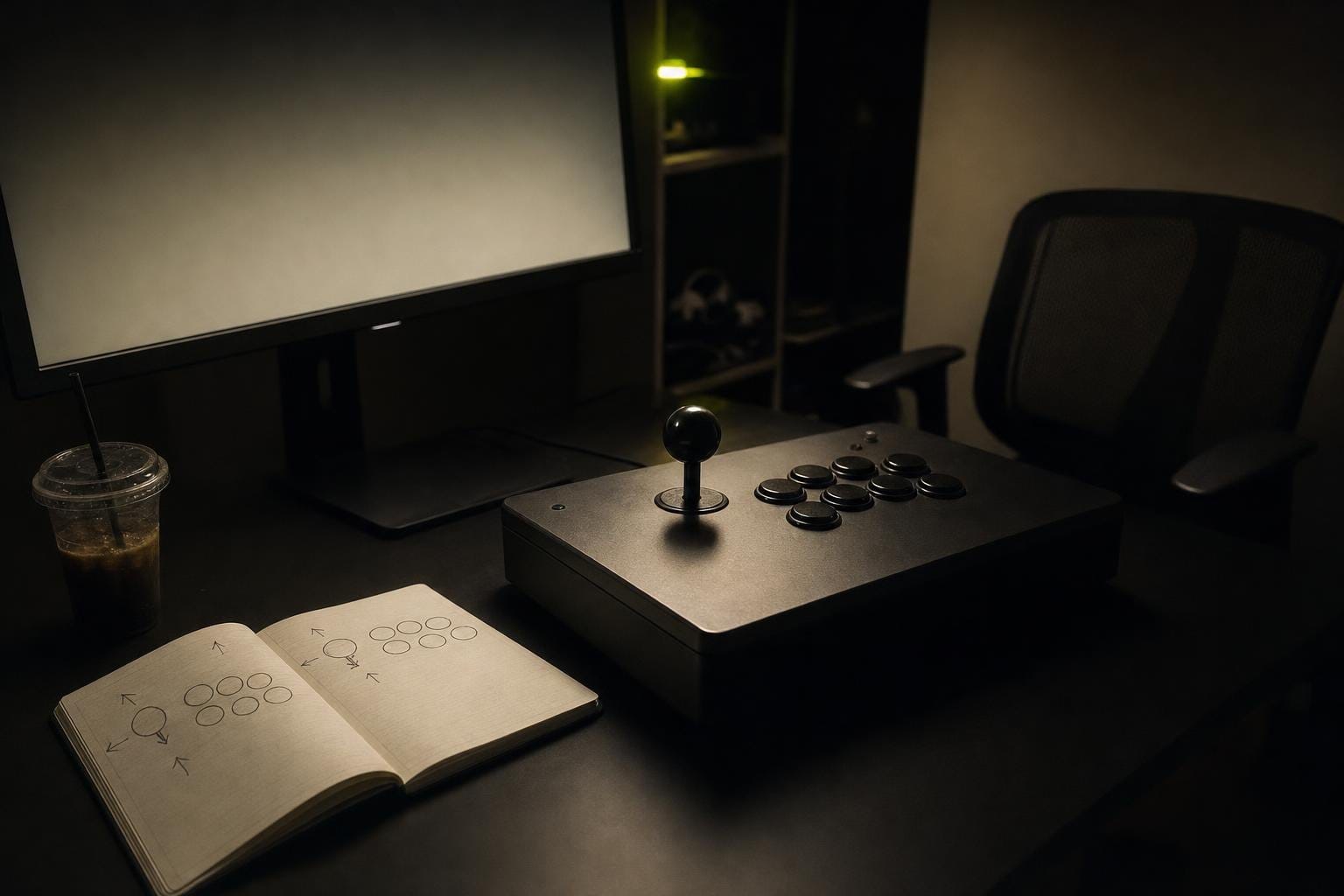
    Improvement in a fighting game is less about knowing a move list than about habits: practice that removes hesitation, reading what an opponent repeats, and a way of losing that still teaches something.

  3. [04]

    King of Wrong: Deconstructing Billy Mitchell

    When Twin Galaxies erased Todd Rogers, attention turned to the most famous name on the classic arcade scoreboard. The questions raised about Billy Mitchell are really questions about how a record becomes history.

  4. [05]

    More Horizon Zero Dawn, Just Not a Direct Sequel

    Horizon Zero Dawn tells a whole story in one game. That is its strength, and the reason a straight sequel is the riskiest way to continue it.

  5. [06]

    Don't Be Afraid of Old Fighting Games

    Street Fighter III: Third Strike looks impossible to start in 2018: its veterans have an eighteen-year head start. The same internet that made them good is the way in.

  6. [07]

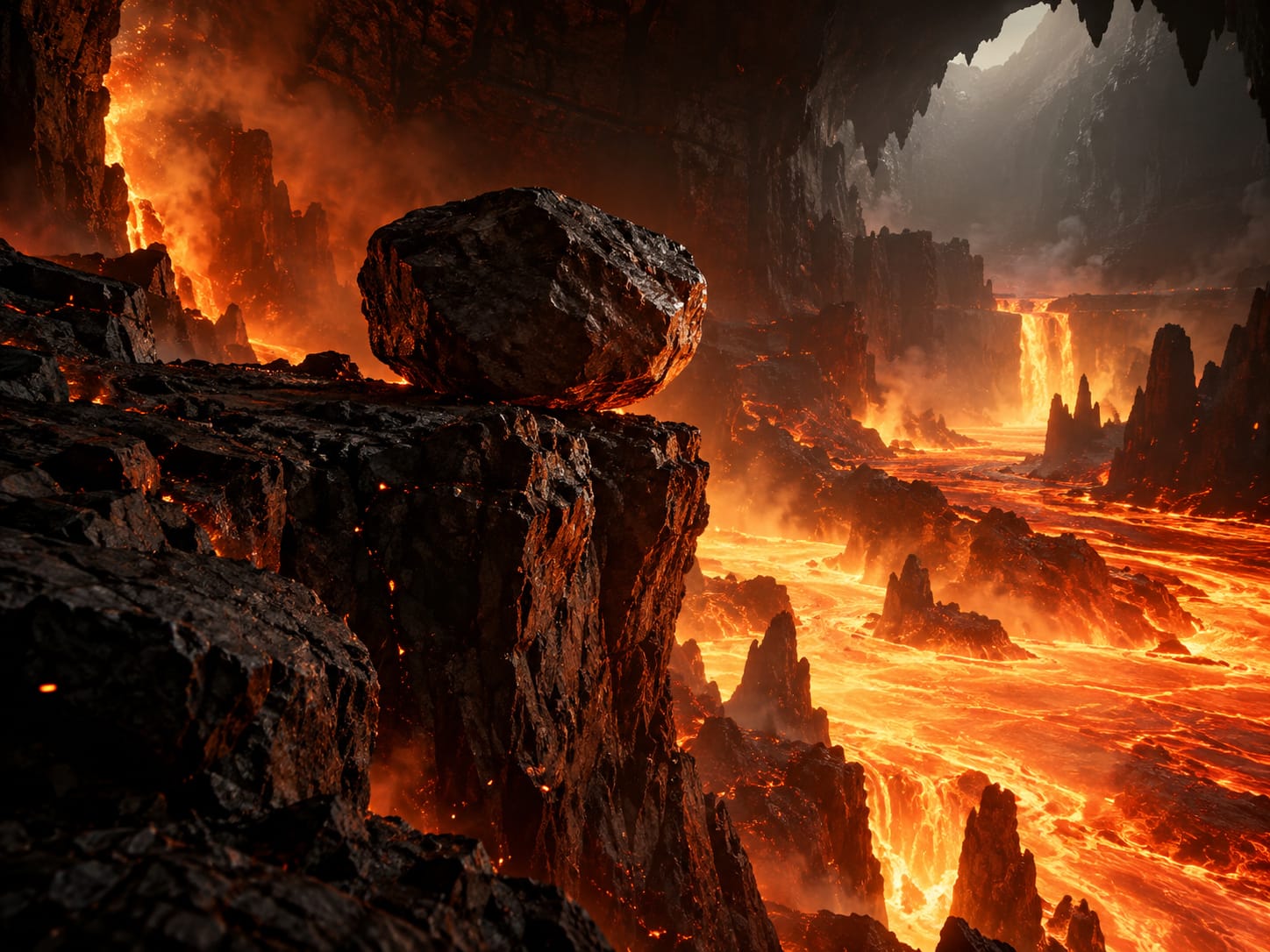
    Let's Remember The Time Chris Redfield Punched That Boulder

    Resident Evil 5 asks players to accept a volcano, a mutating Albert Wesker and a plane crash. The thing nobody could accept was a man punching a rock out of the way.

  7. [08]

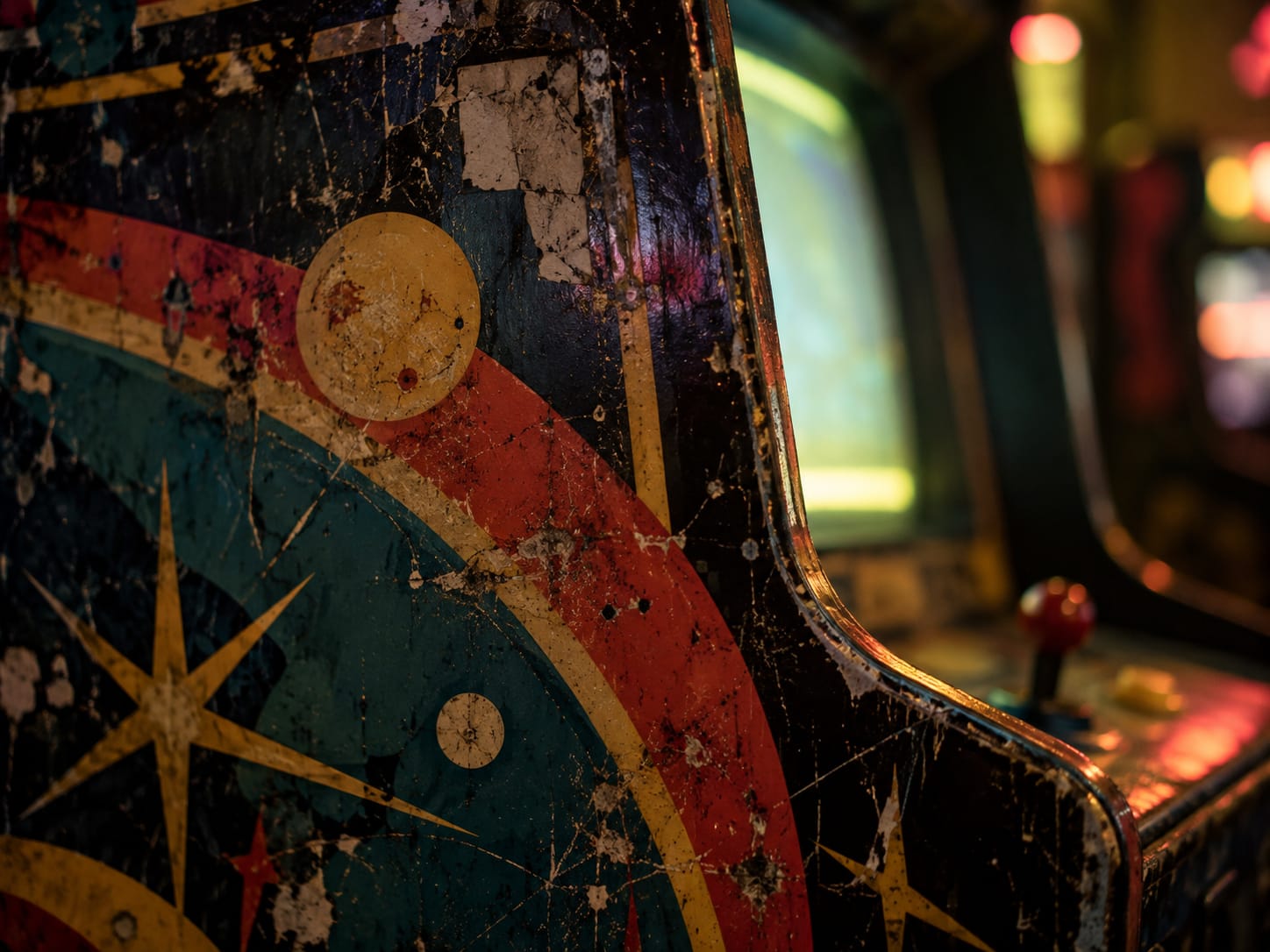
    The Forgotten Franchise Characters of the Early Arcades

    Pac-Man proved a video game character could sell cereal, bedsheets and a Saturday morning cartoon. Every arcade maker wanted one. Most of the attempts are forgotten now.

  8. [09]

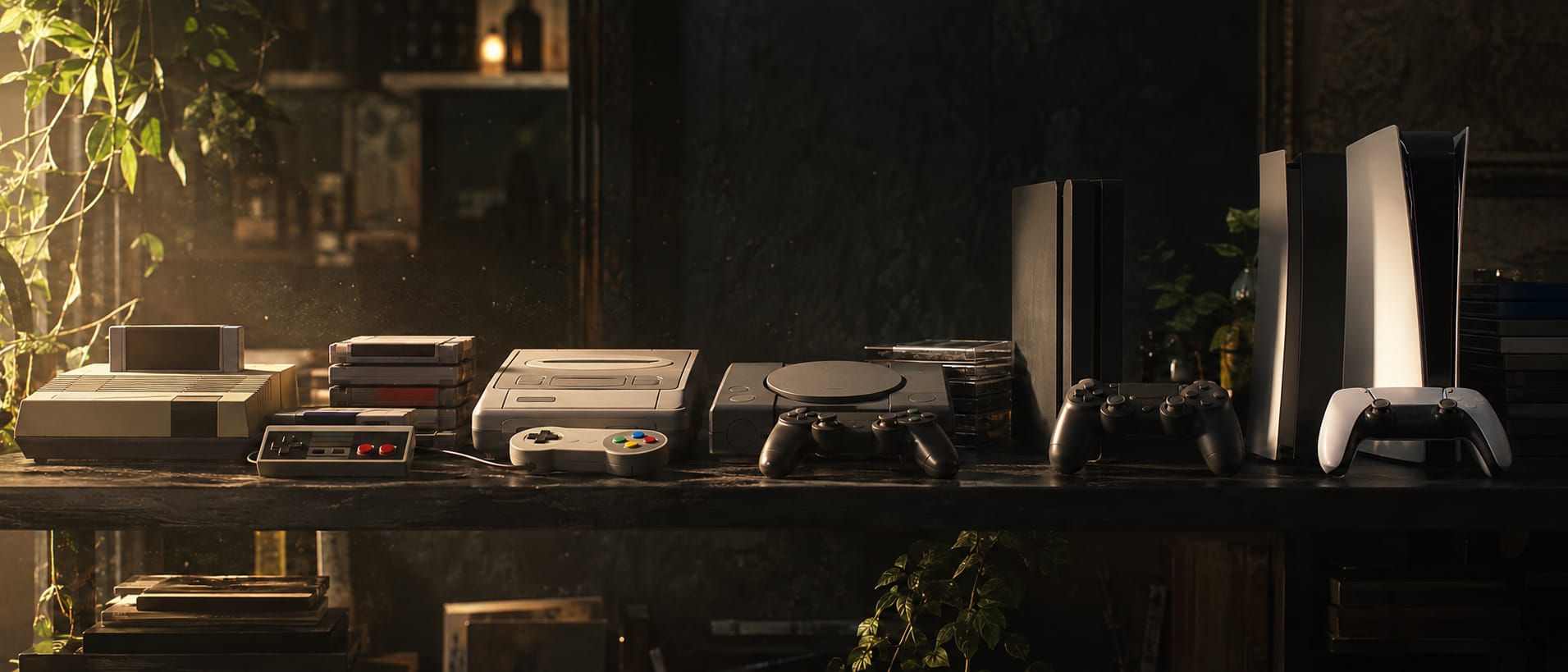
    Back to the Future: The History of Backwards Compatibility

    Players now expect a new console to run their old games. For most of gaming history that was the exception, and a few early attempts to deliver it went badly wrong.

  9. [10]

    Why Fortnite: Battle Royale is Exactly What the Genre Needs

    When Bluehole hinted at action over Fortnite: Battle Royale, the clone debate exploded. A look at the genre's short history suggests Epic's take is exactly the competition it needed.

  10. [11]

    Quick Jabs: How Alpha Counters Changed the Game

    In 1995 Street Fighter Alpha gave a player trapped in block stun a way out for one bar of meter. The idea spread to almost every major fighting series that followed.

  11. [12]

    How Real Farm Sim Could Challenge the Genre's King

    SOEDESCO announced Real Farm Sim in August 2017 with a promise of new mechanics and new-generation graphics. Taking on Farming Simulator would need more than good screenshots.

  12. [13]

    A Gamer Looks at 40: Part One

    A generation born in the late 1970s met games in the living room, lost its quarters in the arcade and picked a side in the first console war. This is how those years looked.

  13. [14]

    So When Exactly Is a Video Game 'Classic' or 'Retro' Anyway?

    Some players call the GameCube retro. Others insist nothing from this century qualifies. The industry itself has been handing out the label for decades, and its own history suggests a surprisingly short fuse.

  14. [15]

    Dystopian Video Games and Human Nature

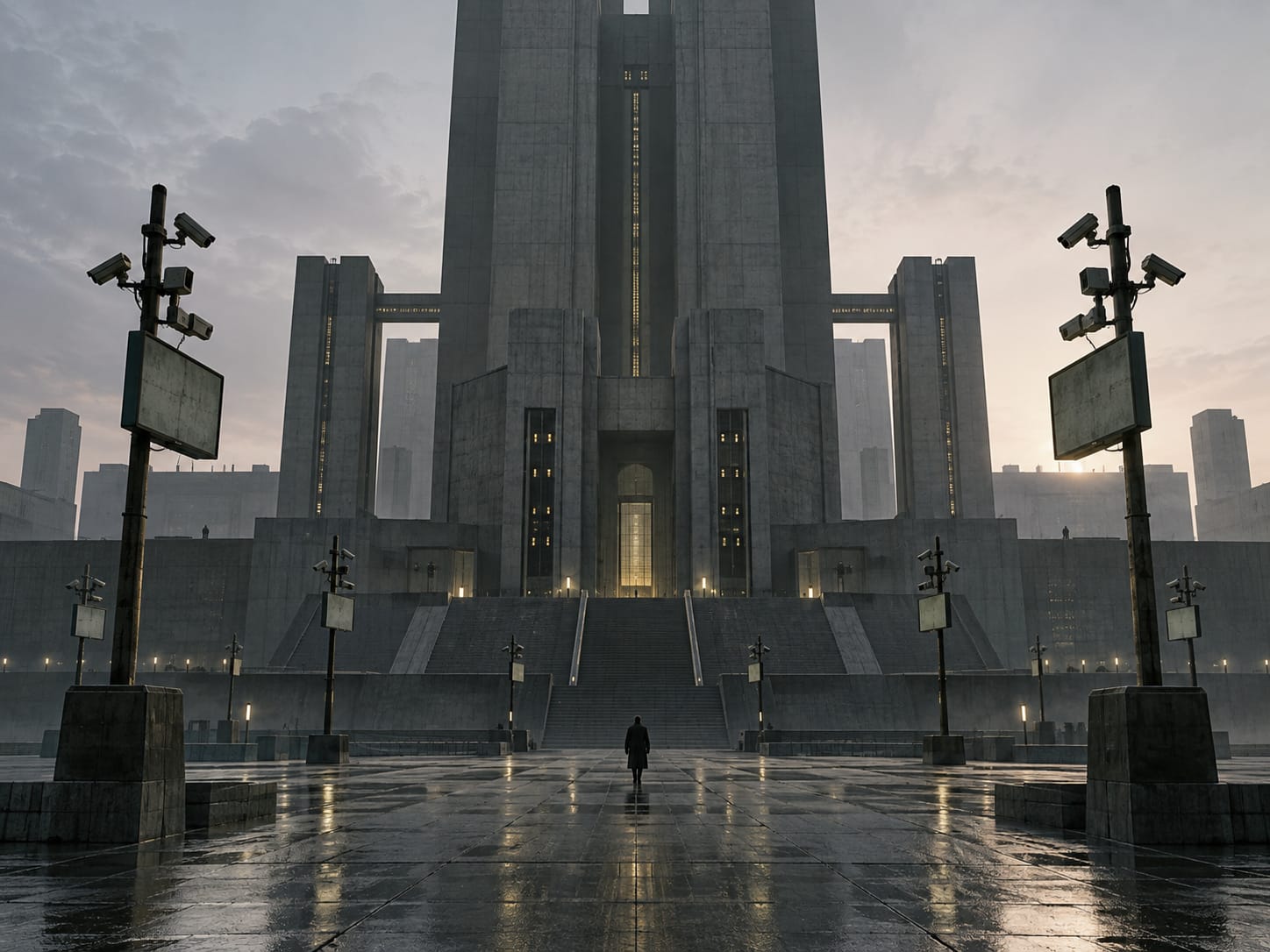
    Games have never been more varied, yet a striking share of them are set in worlds that went wrong. The reasons say less about the games than about the people playing them.

  15. [16]

    Reality Check: Vintage Video Game Collecting Basics Are Unchanged

    Online, the story is that retro game hunting is dead: no finds, too many collectors, scalpers everywhere, eBay ruined it. Compared with the 1990s, the basics have barely changed.

  16. [17]

    How League of Legends' Iconic Map Dictates the Tempo of the Game

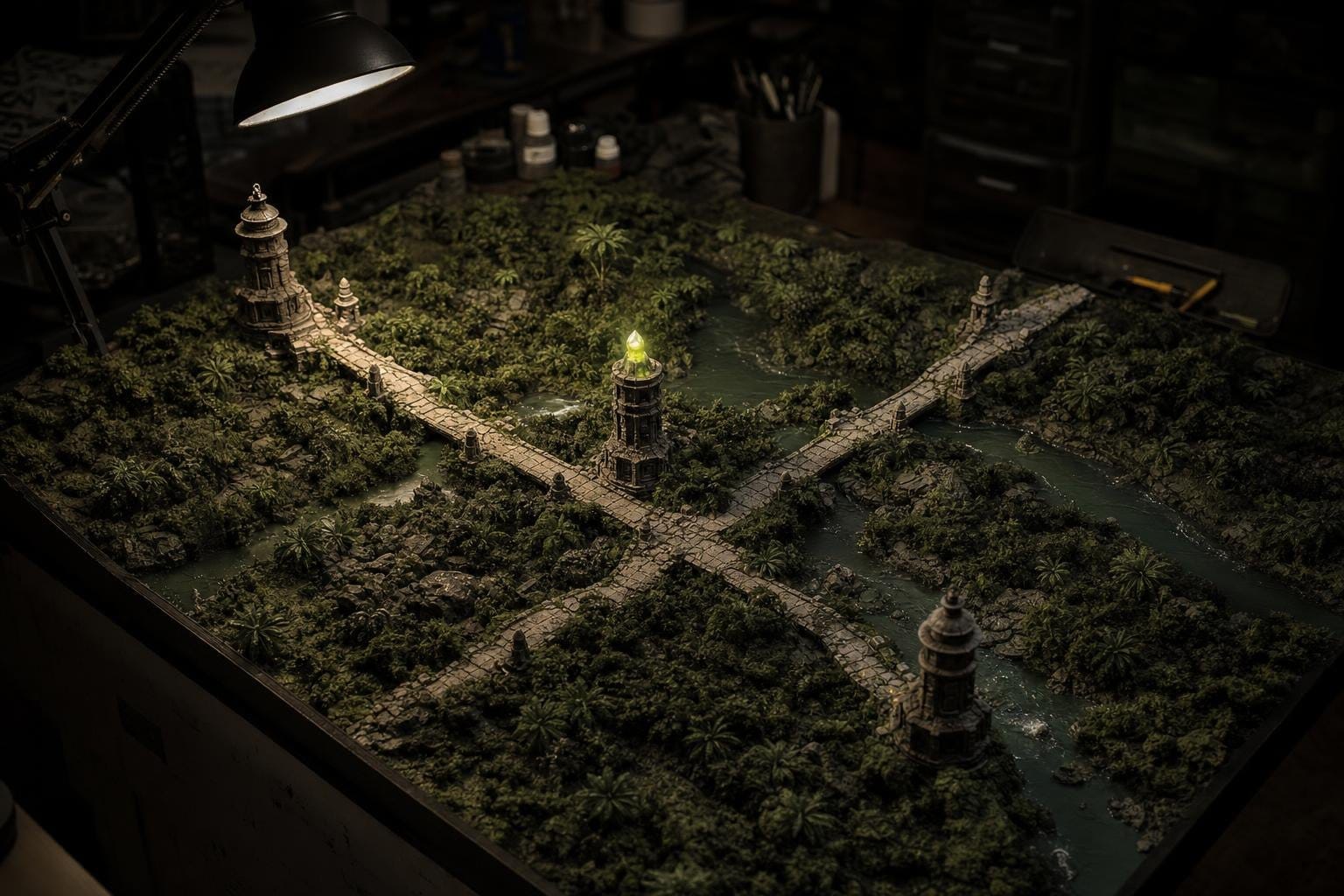
    Champions and items change every few weeks. Summoner's Rift barely changes at all, because the pace of every League of Legends match is built into its lanes, river and turrets.

  17. [18]

    Mass Effect: Andromeda's Multiplayer Problem EA Won't Fix

    Andromeda shipped with a strong co-op mode that a share of players could not reliably reach. One cause, the lack of IPv6 support, had no fix in sight, and it fits a wider pattern of broken launches.

  18. [19]

    What 'Persona 5' Can Teach Us About Style and Flair
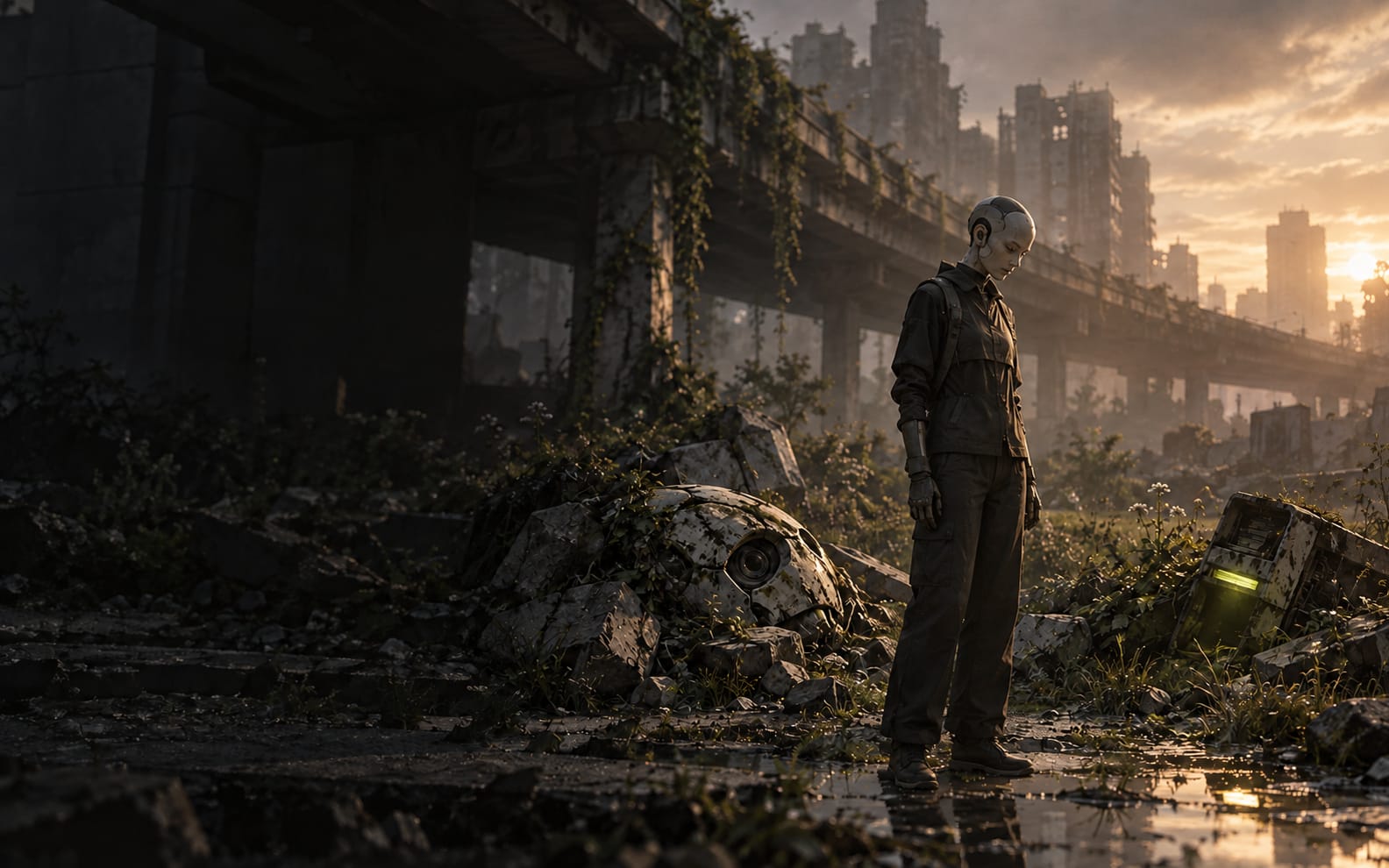
    Persona 5 does not win on raw graphics. It wins because its art style never switches off, from the first battle to the last equipment menu.

[F] Questions

Questions readers ask

What topics do the features cover?

Philosophy and meaning (NieR and Nietzsche, dystopian games and human nature), horror (Bloodborne), gaming history (the early arcades, backwards compatibility, the arcade record books) and the craft of competitive play.

Is there anything for fighting game beginners?

Three pieces are written with newer players in mind: one on building good habits, one on why older fighting games are less intimidating than they look, and one on how the alpha counter changed defensive play.

Do the features assume a background in philosophy?

No. Ideas are explained through what happens on screen, so a reader who has played the game can follow the argument without having read the philosopher behind it.